
How Can I Verify That an Accessible Tour Will Really Work for Me?
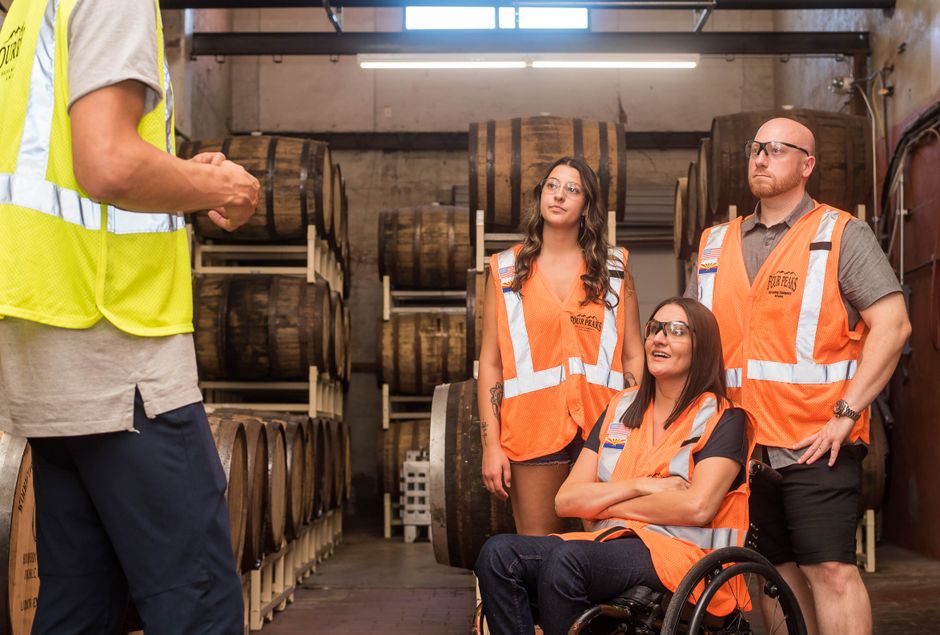
Verify an accessible tour by getting the complete route in writing: walking distance, surface, slopes, every vehicle or boat transfer, restroom route, seating, and the backup plan if conditions change. Labels such as “easy” and “wheelchair accessible” are not route descriptions. Ask for the limiting detail, document the reply, and book only when the answer matches the traveler’s actual mobility needs.
What questions should I ask before booking an accessible tour?
Ask for conditions in sequence, from the ship or hotel door to the final stop. That sequence is the route audit: it prevents a reassuring answer about the attraction from hiding a difficult transfer, a steep gangway, or an unusable restroom route.
Start with this email or call script: “Please confirm the exact route for a traveler with limited mobility. What is the walking distance at each stage? What are the surfaces, slopes, stairs, curbs, vehicle steps, and places to sit? Please also confirm the restroom location and the route to it, plus the alternative if weather, construction, or operations change.” Then ask the operator to reply in writing.
The questions are specific because conditions are specific. The National Park Service recommends checking surface, minimum and average width, average and maximum slope and cross slope, and trail length. It also advises travelers to ask directly because weather, construction, and other conditions can change accessibility.
| Check | Question to send | Why it matters |
|---|---|---|
| Walking route | “What is the total distance, surface, width, slope, and cross slope?” | A route’s label does not tell you whether gravel, uneven paving, or a narrow section is manageable. |
| Transfers | “How many times must the traveler board, step up, step down, or change vehicles?” | Each transfer is a separate demand, especially when timing or balance is limited. |
| Boat access | “Is a tender used, and what are the gangway width and slope?” | Boarding conditions can determine whether the excursion is feasible. |
| Restroom access | “Is the entire route to the restroom accessible, including doors and surface?” | An accessible stall does not prove the traveler can reach it. |
| Contingency | “What is the accessible alternative if the planned route changes?” | A promise without an operating backup creates a day-of decision under pressure. |
Save the response with the booking confirmation. This is not paperwork for its own sake. It gives the person making the decision the same facts the seller used to describe the tour. Apply the same evidence-first habit used when you test a cruise bargain’s full cost: separate the headline from the conditions that determine whether it works.
Does a low-activity tour mean there are no stairs or uneven paths?
No. A low-activity label describes an overall impression, not a guarantee of flat, smooth, step-free travel.
Replace the weak question, “Is it easy?” with the useful question: “Where, exactly, are the stairs, uneven surfaces, inclines, and standing periods?” The first invites a broad reassurance. The second asks for information a traveler can compare with their own needs.
The difference is real in public visitor information. Great Falls Park says most of its trails are rocky and do not have a smooth, flat surface. Its route to an accessible-trail restroom is described as wide, yet it includes loose gravel and uneven sections. That is the useful lesson: width, a restroom stall, and an “accessible” label can all be true while the route remains difficult for a particular traveler.
For a traveler with balance concerns, treat surface and transitions as decision points, not fine print. The Centers for Disease Control and Prevention identifies walking and balance difficulties, lower-body weakness, vision problems, medication effects, and broken or uneven steps as fall-risk factors. The CDC also reports that more than one in four adults age 65 and older falls each year. Ask the operator to name the hardest surface and transfer, then decide based on that answer.
Can I trust a tour labeled wheelchair accessible?
Trust the label only after the operator confirms the physical details of the full route and the equipment involved.
“Wheelchair accessible” can describe one part of a journey while leaving critical questions unanswered: whether a chair can board a tender, whether a gangway is usable at the expected conditions, whether a vehicle has the right access, and whether the destination route stays accessible. The U.S. Department of Transportation explains that its passenger-vessel ADA rule addresses nondiscrimination in service and policies, while physical accessibility standards are addressed separately. That split is a practical prompt: ask about the actual boarding system, vehicle, and route rather than relying on one broad term.
For vessel boarding, the U.S. Access Board’s passenger-vessel guidelines identify walking surfaces, ramps, elevators, platform lifts, gangways, and manually powered boarding lifts as possible elements of an accessible boarding system. The guidelines say gangway runs generally must not be steeper than 1:12 and require at least 36 inches of clear width. They also distinguish a gently sloped walking surface from a steeper ramp. Ask which of those elements the tour actually uses, not which label its webpage uses.
If a tender is involved, add a second check. The Access Board’s tender guidance requires wheelchair spaces on covered tenders, securement systems that limit movement of occupied wheelchairs or mobility aids under normal operating conditions, and an accessible route to tender entry and departure points. Those standards are not a substitute for confirmation of a particular trip’s conditions. They give you a sharper script: “Will the tender carry my mobility aid, where will it be secured, and is there an accessible route from the assigned space to both entry and departure points?”
Finish with the proof-and-pivot drill. Before payment, collect written answers. Before departure, choose the pivot: stay aboard, visit an accessible nearby option, or return to the ship or hotel if the stated conditions are not present. That turns a vague promise into a decision rule. This week, take one future excursion listing and send the route-audit script before you book it.
Frequently Asked Questions
How far do you usually have to walk from a cruise ship to an excursion bus?
There is no reliable universal distance in the provided public guidance, so do not accept a generic answer. Ask the operator for the distance from the ship exit or tender landing to the bus, whether seating is available en route, and the surface, slope, and curb conditions. Ask for the same detail for the return route, when fatigue can change what is manageable.
What should I ask about tender boats, ramps, and accessible restrooms?
Ask whether the port uses a tender, how a mobility aid and its user board, the ramp or gangway slope and clear width, and what happens if sea or weather conditions change. For restrooms, ask not just whether an accessible stall exists, but whether the route to it is step-free, firm, and usable that day. The Access Board guidelines address tender wheelchair spaces, securement, accessible routes, and gangway dimensions; use those details to frame the questions.
How can I tell whether a tour will work for someone with balance problems?
Request the surface, route length, slope, cross slope, stairs, curbs, time standing, and chances to sit. Broken or uneven steps, walking and balance difficulties, and lower-body weakness are among the fall-risk factors identified by the CDC. A tour can be low activity on paper and still be a poor fit if its transfers or surfaces require steady balance.
Sources
- National Park Service, Physical/Mobility Accessibility
- National Park Service, Great Falls Park Physical/Mobility Accessibility
- Centers for Disease Control and Prevention, Facts About Falls
- U.S. Access Board, Passenger Vessel Accessibility Guidelines, Chapter V4
- U.S. Access Board, Passenger Vessel Accessibility Guidelines, Chapter V11
- U.S. Department of Transportation, Passenger Vessel Accessibility
Keep reading
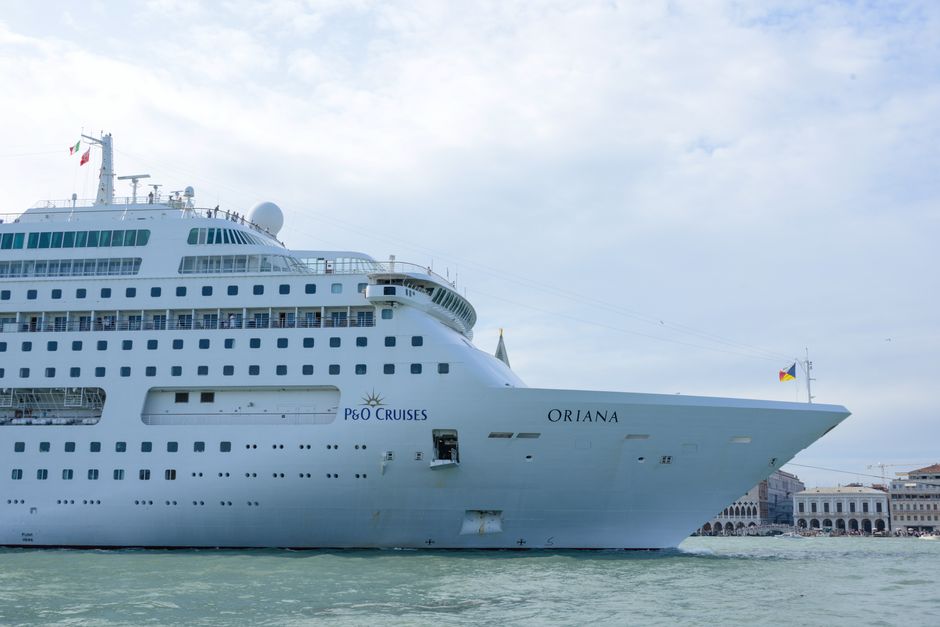
Should I Book a Full 2027 World Cruise or a Segment?
Compare 2027 world-cruise full voyages and segments by route, time, benefits, flights, visas, insurance, and true cost.
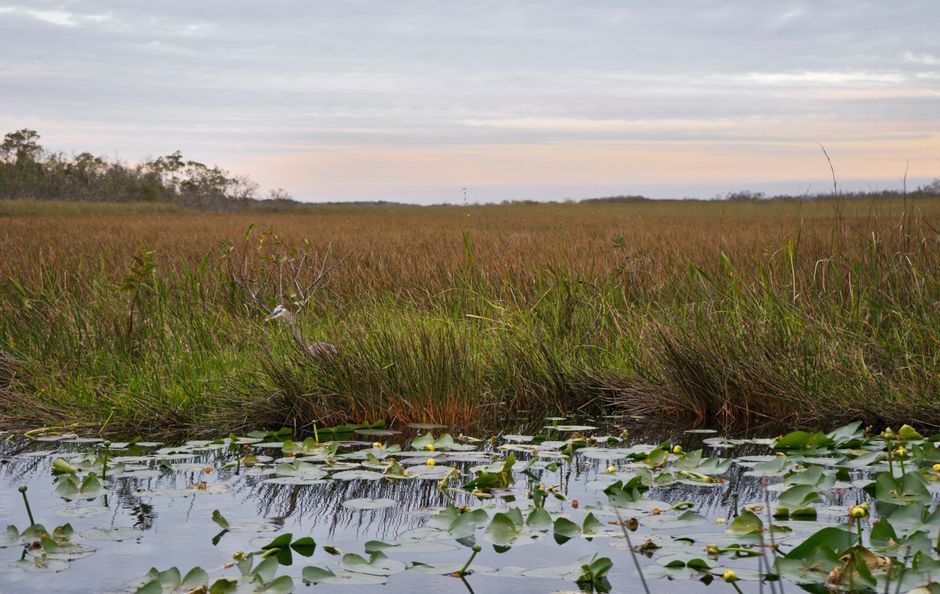
Can I Take an Everglades Airboat Tour If I Use a Wheelchair?
Choose an Everglades airboat tour with ramp boarding, wheelchair securement, accessible facilities, and a verified door-to-dock travel plan.

Which Adults-Only Beach Resort Is Right for Couples and Groups?
A research-based guide to choosing an adults-only beach resort for swimming, quiet, nightlife, or a boutique stay.

Find Real Cruise Bargains From Toronto With an All-In Cost Test
Compare Toronto cruise options by their complete Canadian-dollar cost, including flights, insurance, fees, hotels, and currency conversion.