
Can Diet Support Mood Alongside Mental Health Treatment?
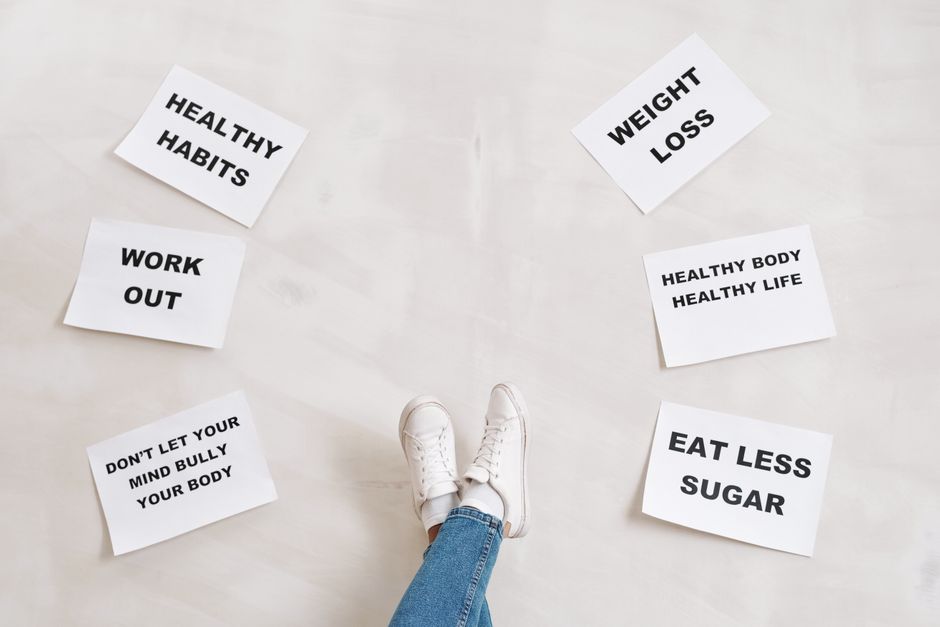
Dietary changes can support mood and may reduce depressive symptoms for some people, but they do not replace psychotherapy, medication, or a treatment plan chosen with a health care provider. The most credible evidence favors an overall Mediterranean-style pattern of vegetables, fruit, whole grains, legumes, nuts, fish, olive oil, and minimally processed foods, not a single “mood food” or supplement.
Can changing my diet help with depression or anxiety?
Yes, improving overall diet quality can be a useful adjunct to care for some people with depression or anxiety; it is not a stand-alone replacement for evidence-based treatment. The distinction matters because nutrition research is promising precisely when it is interpreted without turning a grocery list into a prescription.
The 2017 SMILES randomized controlled trial tested dietary support as an adjunct in 67 adults with moderate to severe major depression. Of those participants, 55 were already using psychotherapy, medication, or both. After 12 weeks, the dietary-support group improved by an estimated 7.1 more points on the MADRS depression scale than the social-support control group, according to the 2017 SMILES trial; remission was reported for 32.3% of the dietary group (10 people) and 8.0% of controls (2 people).
That is meaningful evidence, but it is not a license for overstatement. A 2024 systematic review and meta-analysis of five randomized trials involving 1,507 people found Mediterranean diet interventions were associated with lower depressive-symptom severity. Yet the authors rated the certainty as low and found substantial variation between studies. The blunt conclusion: dietary improvement belongs in the conversation, but the research does not establish that it will work the same way for every person.
The National Institute of Mental Health states that depression treatment typically involves psychotherapy, medication, or both, with the choice made alongside a health care provider. For milder depression, psychotherapy is often tried first; for moderate or severe depression, medication is usually part of the initial plan. Healthy, regular meals are listed as supportive self-care, alongside sleep routines, physical activity, social connection, and avoiding alcohol, nicotine, and non-prescribed drugs.
Food is therefore one part of the system, not the system itself. The practical question is not whether a meal can “cure” a condition; it is whether a repeatable eating pattern can support treatment while leaving clinical care intact.
What foods are linked to better mental health?
The foods most directly supported by the available trial evidence are the components of a Mediterranean-style pattern, consumed as a pattern rather than treated as isolated remedies. In the 2017 SMILES trial, the dietary approach emphasized vegetables, fruit, whole grains, legumes, nuts, fish, unsweetened dairy, eggs, olive oil, and lean proteins.
A useful grocery framework follows the evidence without pretending to be more precise than it is: build the regular choices around those food groups, then reduce the foods the trial asked participants to limit. Those included sweets, refined cereals, fried foods, fast food, processed meat, and sugary drinks. In the 2017 trial, these “extra” foods were limited to no more than three servings weekly; that was a study protocol, not a universal clinical threshold.
| Emphasized in the 2017 SMILES dietary pattern | Limited in the 2017 SMILES dietary pattern |
|---|---|
| Vegetables, fruit, whole grains, legumes, nuts, fish | Sweets, refined cereals, fried foods, fast food |
| Unsweetened dairy, eggs, olive oil, lean proteins | Processed meat and sugary drinks |
This framing saves a great deal of wasted effort. It directs attention toward replacement and repetition: add a legume, whole grain, fish, fruit, vegetable, nut, or olive-oil-based choice where it fits, rather than hunting for one nutrient alleged to control mood. For people working long hours at home, the same principle can make regular meals easier to sustain when paired with a functional workspace; see this guide to sizing and arranging an ergonomic desk and chair in a small home office.
The evidence does not identify a universally effective “brain food,” nor does it justify personalized nutrient targets from the material available here. It supports an ordinary but demanding proposition: the overall pattern is more informative than a single ingredient.
Can eating too much sugar make my mood worse?
Higher intake of ultra-processed foods is associated with more depressive and anxiety symptoms, but current evidence does not prove that sugar itself causes a worse mood. That difference between association and causation is the entire argument, not a technical footnote.
A 2022 systematic review and meta-analysis examined 17 observational studies with 385,541 participants. In cross-sectional analyses, higher ultra-processed-food intake was associated with higher odds of depressive symptoms and anxiety symptoms; in the prospective studies, higher intake was associated with later depression risk. Most of the underlying studies were observational, however, which means they cannot disentangle whether these foods contribute to symptoms, symptoms change eating patterns, or other factors influence both.
That limitation applies especially to claims about sugar. The evidence in this dossier links a broad category of ultra-processed foods with mental-health outcomes; it does not establish a particular amount of sugar as a cause of depression or anxiety. A sensible interpretation is narrower: reducing reliance on sweets, sugary drinks, refined cereals, fried foods, fast food, and processed meat aligns with the dietary pattern used in the 2017 trial, while avoiding simplistic claims about a single culprit.
The gut-brain discussion requires the same discipline. A 2020 systematic review and meta-analysis examined 16 studies of gut microbiota and major depressive disorder. It found differences in several bacterial taxa in observational studies and improvement in depressive symptoms in probiotic intervention trials, but the authors emphasized the limited number of studies and incomplete consideration of diet and pharmacotherapy. Gut health is a research frontier, not a warrant for replacing treatment with a probiotic product.
The operating principle is clear: improve the base pattern, preserve established care, and discuss any major dietary change or supplement with the clinician involved in treatment. NIMH is explicit that the FDA has not approved natural products for treating depression.
Frequently Asked Questions
Does the Mediterranean diet help depression?
Mediterranean-style diet interventions were associated with lower depressive-symptom severity in a 2024 systematic review of five randomized controlled trials involving 1,507 participants. The review rated the certainty of that evidence as low and found substantial variation among studies, so it supports promise rather than a universal treatment rule.
Can gut health affect anxiety and mood?
A 2020 review found differences in several gut bacterial groups between people with major depressive disorder and non-depressed controls, and its probiotic trials reported improved depressive symptoms compared with controls. The authors also stressed that the evidence base was small and did not adequately account for diet and pharmacotherapy, so it cannot show that a particular gut-health food or supplement treats anxiety or depression.
Should I take supplements instead of improving my diet?
No evidence in the supplied sources supports replacing treatment or dietary improvement with supplements. NIMH states that the FDA has not approved natural products for treating depression and advises consulting a health care provider before using vitamin D, St. John’s wort, or other supplements.
The durable conclusion is modest and useful: treat dietary quality as supportive infrastructure. A Mediterranean-style pattern has credible trial evidence behind it, high ultra-processed-food intake is a reasonable target for scrutiny, and neither supplements nor food should displace professional mental health treatment.
Sources
- National Institute of Mental Health: Depression
- BMC Medicine / PubMed: SMILES randomized controlled trial
- Nutrition Reviews / PubMed: Mediterranean diet and depressive symptoms meta-analysis
- Nutrients / PubMed: Ultra-Processed Food Consumption and Mental Health systematic review
- Journal of Affective Disorders / PubMed: Gut microbiota and major depressive disorder review
Disclaimer: This article is for general information only and is not medical advice. It is not a substitute for diagnosis or treatment by a qualified healthcare professional. Always speak to your doctor before acting on anything you read here.