
How Do Senior Tubs and Showers Compare for Safety?
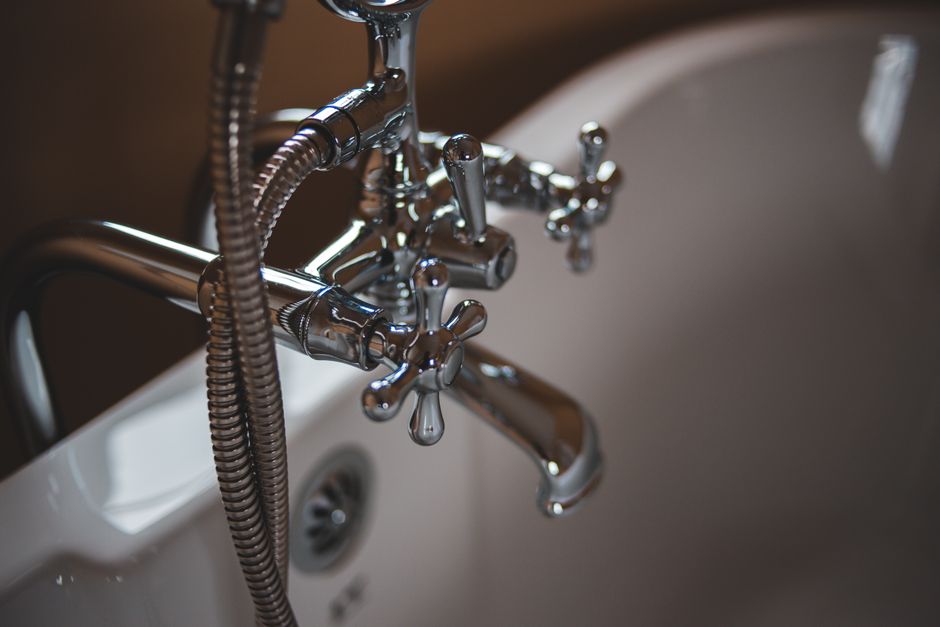
Senior tubs and showers are safest when the setup matches the person’s transfer ability, balance, bathing preference, and bathroom layout. A walk-in tub reduces the need to step over a high wall but still requires entering and exiting a tub; a low-threshold or roll-in shower can simplify access, especially with a seat or wheelchair. Measure the room and plan support before choosing.
Are tubs or showers safer for seniors with balance problems?
Neither a tub nor a shower is automatically safer; the key question is which transfer the person can complete reliably, with suitable support. A tub requires crossing its wall, while a shower requires entering its opening and managing the wet floor. A seated shower may remove the need to stand while washing, but it does not remove the need to enter and leave safely.
The risk deserves attention. The Centers for Disease Control and Prevention estimated that 234,094 nonfatal bathroom injuries were treated in U.S. emergency departments in 2008, and 81.1% were caused by falls. Getting out of a tub or shower, bathing, or showering accounted for 37.3% of bathroom injuries; slipping was involved in 17.3%, according to the CDC. Its report also found that the injury rate increased with age, with injuries in or around tubs and showers occurring at a rate of 200.2 per 100,000 among people aged 85 and older.
Those figures describe bathroom injuries overall, not the comparative safety of each fixture. The CDC identified grab bars inside and outside the bathing area and nonslip strips as possible environmental modifications, while noting that more research was needed to assess their effectiveness. The National Institute on Aging also recommends grab bars and nonskid surfaces. Treat them as part of a coordinated transfer route—not as a substitute for choosing a fixture the person can use.
“These findings suggest that all adults, especially older adults, their caregivers, and their family members, should be educated about activities in the bathroom that more frequently result in injury, notably getting out of tubs and showers.” — Centers for Disease Control and Prevention
Is a walk-in tub or a low-threshold shower better for an older adult?
A walk-in tub may suit someone who prefers soaking and can manage the tub’s entry and exit; a low-threshold shower often suits someone who wants to avoid climbing over a tub wall. The better choice depends on the whole bathing sequence: how the person enters, sits or stands, washes, and leaves. A transfer bench can help bridge a tub wall by letting someone sit outside and move across the bench, but it still requires a transfer and sufficient space.
Walk-in tubs have a practical timing trade-off: the user generally needs to be inside before filling and remain there while water drains before exiting. That can mean waiting in the tub, and the supplied research does not provide standard fill or drain times to compare across models. Ask manufacturers for the specific model’s operating details, then consider whether the person can wait comfortably and safely.
A low-threshold shower reduces the height of the entry barrier, while a curbless or roll-in shower can accommodate wheeled mobility aids without transferring to a seat. The U.S. Access Board’s ADA Standards specify a transfer-type shower compartment with a clear interior of 36 by 36 inches, a minimum 36-inch entry, and a seat. A standard roll-in compartment is at least 30 inches wide by 60 inches deep, with a minimum 60-inch entry. These are technical design references, not a guarantee that a particular bathroom has adequate turning space or fixture clearance.
| Option | Transfer to consider | Potential fit | Trade-off to check |
|---|---|---|---|
| Walk-in tub | Step through its door, sit, then stand or transfer out | Someone who prefers soaking and can manage the tub’s entry | Waiting inside while it fills and drains; caregiver access and room layout |
| Low-threshold shower | Step into the shower or transfer to a seat | Someone seeking a lower entry barrier than a conventional tub | Threshold, wet-floor exposure, seating, and support placement |
| Curbless or roll-in shower | Roll in with a mobility aid or transfer to a seat | Someone using a wheelchair or shower chair, if the layout allows | Entry width, clear floor and turning space, drainage, and door swing |
| Transfer bench at a tub | Sit outside the tub and move across the bench | Someone who cannot safely step over the tub wall but can transfer | Bench fit, transfer ability, and space for the person assisting |
For a closer look at one option, see Are Walk in Shower Tubs for Seniors a Good Fit?. Match the product to the transfer first; compare features second.
What should I choose if my parent uses a walker or wheelchair?
If your parent uses a wheelchair, assess whether a roll-in shower can provide enough entry width and usable floor space; if your parent uses a walker, focus on the approach, threshold, and a stable place to sit. A walker does not make a step-over transfer safe by itself. Plan how the person moves from the mobility aid to the bathing seat, and where the aid can be parked without blocking the exit.
The Access Board’s standards explain the distinction: roll-in shower compartments provide access for shower chairs and other wheeled mobility aids without a transfer to a seat. Transfer-type compartments instead include a seat and are designed around a transfer into the shower. The ADA dimensions are useful starting points, but the standards also require attention to turning space, fixture clearances, and door swing. Have the actual bathroom measured against the intended chair or mobility aid.
For someone unsteady but able to transfer, the National Institute on Aging recommends a sturdy shower chair, handheld showerhead, and safety bars. If pain, weakness, or changing mobility makes a transfer unpredictable, ask a health professional such as an occupational therapist or physical therapist to assess the home and the person’s abilities. That assessment can identify whether the main barrier is the entry, the transfer, standing during washing, or the route back to the mobility aid.
Do walk-in tubs make seniors wait in cold water while they fill and drain?
Walk-in tubs can require the user to sit inside while water fills and drains, so waiting is a real design consideration; whether the water feels cold depends on the specific tub, the wait, and individual comfort. The provided research sources do not report standard fill or drain times or establish how quickly water cools. Get model-specific timing from the manufacturer rather than relying on a general estimate.
Before purchase, ask how the door seals, whether the tub can be filled before entry (if the model permits), how draining works, and what happens if the user needs to exit before draining is complete. Confirm that the user can operate the controls and remain seated safely during the process. If waiting would be uncomfortable or make assistance difficult, a seated shower may better match the person’s routine.
Use this pre-purchase check to turn the choice into practical measurements and tasks:
- Measure the room: record the bathing area, door opening and swing, clear floor space, and route from the doorway to the fixture.
- Map the transfer: note where the person starts, where they sit, and how they exit; check whether a walker, wheelchair, or caregiver has room to move.
- Plan support: identify seat height and placement, handheld showerhead reach, and grab-bar locations along the transfer route. The NIA recommends bars on both the inside and outside of tubs and showers.
- Check water management: confirm drain location and capacity with an appropriate installer, and ask the manufacturer for filling and draining details for the specific tub.
- Get an assessment when needed: after a fall, the NIA advises consulting a health professional such as an occupational therapist, physical therapist, or nurse for a home-safety assessment.
Evidence supports looking at the room as well as the fixture. A randomized clinical trial of 310 community-dwelling adults aged 65 and older at high risk of falling tested an occupational-therapist-delivered home hazard removal program. The intervention group had a 38% lower rate of falls than usual care over 12 months, a secondary outcome; the primary outcome, hazard of falling, did not differ significantly between groups, according to Stark and colleagues in JAMA Network Open. The program used individual assessments and tailored plans, including measures such as grab bars and nonskid bathtub tape. The practical lesson is to assess the person and transfer route, not select equipment by label alone.
Frequently Asked Questions
Can a caregiver safely help someone bathe in a walk-in tub?
A caregiver may be able to help, but safe assistance depends on the person’s transfers, the tub’s layout, and room for the caregiver to move. The National Institute on Aging advises that a confused or frail person should not be left alone in a tub or shower; if bathing is too difficult for the caregiver to manage, seek professional help.
What bathing setup works if standing in the shower is difficult?
A sturdy shower chair, handheld showerhead, and safety bars can support seated bathing, according to the National Institute on Aging. If entering or leaving a tub is difficult, a shower with an accessible entry may reduce that transfer barrier, but confirm that the seat and support locations fit the person’s needs.
What should we check in the bathroom before choosing a senior tub or shower?
Measure the bathing area, entry, turning space, and clearances around fixtures, and account for the door swing. Check drainage, the transfer route, seating, and where grab bars can be installed; an occupational therapist, physical therapist, or nurse can assess home safety after a fall.
Sources
- Centers for Disease Control and Prevention, Morbidity and Mortality Weekly Report
- U.S. Access Board, ADA Standards for Accessible Design
- National Institute on Aging, Bathing, Dressing, and Grooming: Alzheimer’s Caregiving Tips
- National Institute on Aging, Preventing Falls at Home: Room by Room
- Stark et al., JAMA Network Open, indexed in PubMed
Keep reading

Are Walk in Shower Tubs for Seniors a Good Fit?
Walk-in shower tubs for seniors suit users who can manage transfers and waits; check hot water, fit, plumbing, and caregiver access before buying.

All Inclusive Cruises With Airfare Included From Toronto: Compare
Compare Toronto cruise-and-air packages by total price, inclusions, flight flexibility and missed-sailing support.
How Do You Choose Accessible Showers for Elderly Adults?
Choose accessible showers for elderly adults around mobility, safe entry, seating, support, reachable fixtures, and caregiver needs.

How Do You Store Towels in a Small Bathroom?
Choose compact towel storage for your bathroom's wall, door, and floor space while keeping used towels dry and humidity controlled.