
How Do I Recognize and Discuss Antidepressant Emotional Blunting?
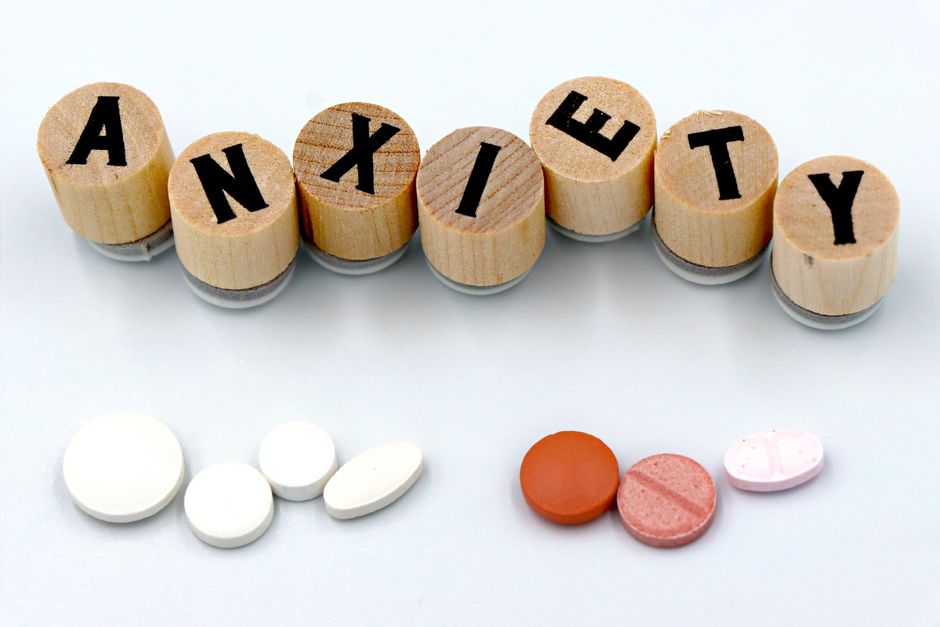
Emotional blunting can feel like a persistent reduction in both positive and negative feelings: less joy, sadness, anger, excitement, or emotional connection. It can occur alongside improvement in depression, but it is not something to solve by stopping medication abruptly. Record what has changed, when it began, and how it affects daily life, then bring that record to the prescriber for a review of benefits, side effects, and safer adjustment options.
Why do I feel emotionally numb on my antidepressant?
The central puzzle is that treatment can reduce painful symptoms while also making emotional life feel narrower. A 2023 scoping review in PubMed describes emotional blunting as a persistent reduction in both positive and negative feelings. In the reviewed literature, people could subjectively distinguish this state from their acute depression symptoms.
That distinction matters because “numb” is not a diagnosis. It is a useful description of a pattern: situations that once produced a strong emotional response now produce little, whether the expected feeling was pleasant or unpleasant. By contrast, ongoing depression can include low mood and other symptoms even when emotional range is not the main complaint. The 2023 review found that available research cannot reliably separate blunting caused by depression itself from blunting associated with antidepressants. The correct conclusion is not certainty; it is that the timeline and the whole symptom pattern deserve review.
Sedation creates a different practical question. Feeling sleepy, slowed, or physically fatigued can make life feel distant, but the supplied research does not establish a clinical test that separates sedation from emotional blunting. Describe both if both are present. A prescriber needs the uncompressed version, not a single label.
Start a short record before the appointment. Note the date emotional changes became noticeable, whether they followed starting or changing treatment, examples of muted positive and negative reactions, current depression symptoms, and the effect on work, relationships, sleep, and routine. This is not busywork. It converts an ambiguous internal experience into information that can be compared with treatment benefit.
Is emotional blunting a normal SSRI side effect?
Emotional numbness is a documented possible antidepressant side effect, but “possible” does not mean trivial or inevitable. The NHS antidepressant guidance, accessed in 2026, lists mood changes including feeling more angry or emotionally numb among possible side effects.
The evidence is substantial enough to take seriously and imprecise enough to resist simplistic prevalence claims. A 2023 systematic review of 50 eligible articles on antidepressant-associated apathy and emotional blunting reported estimates ranging from 5.8% to 50% overall and from 20% to 92% in SSRI studies. Those wide ranges reflect differences among the underlying studies, not a clean probability that can be assigned to one person.
The same 2023 systematic review concluded that antidepressant-associated apathy appeared dose-dependent and reversible, while emphasizing the limits of the available evidence. A 2021 review likewise reported that diminished emotional response may be more likely at higher doses and identified dose reduction or medication changes as common clinical responses. Neither finding authorizes a self-directed dose change. It explains why dose belongs in the prescriber conversation.
| What to bring to the review | Why it changes the discussion |
|---|---|
| When numbness started relative to treatment changes | It helps examine whether the timing fits a medication-associated effect, continuing depression, or an unresolved question. |
| Examples of reduced positive and negative reactions | It distinguishes a broad flattening of feeling from a vague report of feeling unwell. |
| Benefits that remain | It allows the prescriber to weigh symptom improvement against the side effect the person most wants to avoid. |
| Any concern about stopping | It opens a safety conversation before an abrupt change creates withdrawal risk. |
NICE's 2022 depression guideline recommends that a medication plan cover the dose and possible adjustments, expected benefits, side effects the person particularly wants to avoid, and concerns about taking or stopping the medicine. That is the agenda. Emotional blunting belongs on it.
Will feeling emotionally flat go away after a few weeks?
Some antidepressant side effects ease after the body adjusts, but emotional flatness does not come with a guaranteed expiration date. NHS guidance accessed in 2026 says antidepressants usually begin to have an effect in 1 to 2 weeks and can take up to 8 weeks to work fully; it also says many side effects ease after a couple of weeks, while some continue during treatment.
That timeline argues for observation, not passive endurance. The NHS says people are normally reviewed every 1 to 2 weeks after starting an antidepressant to assess effectiveness and side effects. NICE's 2022 guideline similarly recommends a treatment review usually within 2 weeks; it specifies review after 1 week for people aged 18 to 25 or those at particular suicide risk. A scheduled review is the proper place to compare what has improved with what has narrowed.
Bring a concise statement rather than an apology: “My depression symptoms have changed in these ways, but my capacity to feel pleasure, concern, or connection has changed in these other ways.” Then ask for a review of the medication plan. The literature describes dose reduction and switching to another antidepressant as management approaches, but the choice depends on the balance of symptom relief, side effects, prior treatment response, and withdrawal risk.
Do not turn a tolerability problem into an abrupt-stop experiment. NICE's 2022 guideline states that withdrawal symptoms can appear within days of reducing or stopping an antidepressant and usually resolve in 1 to 2 weeks, though they can last several weeks or occasionally months. It also reports that severe symptoms are more likely after abrupt discontinuation. The practical principle is blunt: discuss a staged plan with the prescriber before changing treatment.
For the appointment, prepare three questions: What benefits are we trying to preserve? Is the emotional change more consistent with ongoing depression, a medication effect, or uncertainty that needs monitoring? What supported adjustment options are available if this side effect remains unacceptable? A simple written record can help keep that discussion focused, much as a clearly defined setup makes other practical decisions easier in a guide to arranging an ergonomic desk and chair in a small home office.
The goal is neither to dismiss emotional blunting nor to assume it explains everything. The evidence supports a more disciplined approach: name the pattern, establish its timing, review it early, and make any treatment change with clinical support.
Frequently Asked Questions
How do I tell my doctor that my medication is making me feel numb?
Use concrete contrasts: describe emotions or reactions that were present before treatment and now feel reduced, and explain when the change began. Bring a brief record of mood, emotional range, daily functioning, medication changes, and any remaining depression symptoms. NICE's 2022 guideline recommends that treatment discussions cover desired benefits, unwanted side effects, dose, possible adjustments, and concerns about continuing or stopping medication.
Can changing the dose reduce emotional blunting?
Research reviews published in 2021 and 2023 report that emotional blunting appears related to dose in some evidence, and dose reduction is among the management approaches reported in the literature. The appropriate response depends on whether depression symptoms are controlled, how severe the blunting is, and the individual's treatment history. A prescriber should direct any medication change rather than the person making an unsupervised adjustment.
Is it safe to stop an antidepressant if I feel detached?
Stopping suddenly is not the safer default. NHS guidance accessed in 2026 advises against abruptly stopping antidepressants without speaking to a doctor, and NICE's 2022 guideline says withdrawal symptoms can occur within days after reduction or stopping. NICE recommends discussing discontinuation with the prescriber and usually tapering in stages with monitoring.
Sources
- National Health Service: Antidepressants
- National Institute for Health and Care Excellence: Depression in Adults, Treatment and Management
- PubMed: Apathy Associated With Antidepressant Drugs: A Systematic Review
- PubMed: Can Antidepressant Use Be Associated With Emotional Blunting in a Subset of Patients With Depression?
- PubMed: Emotional Blunting in Patients With Major Depressive Disorder
Disclaimer: This article is for general information only and is not medical advice. It is not a substitute for diagnosis or treatment by a qualified healthcare professional. Always speak to your doctor before acting on anything you read here.