
Buy Used Golf Clubs: Check Fit, Condition and Value
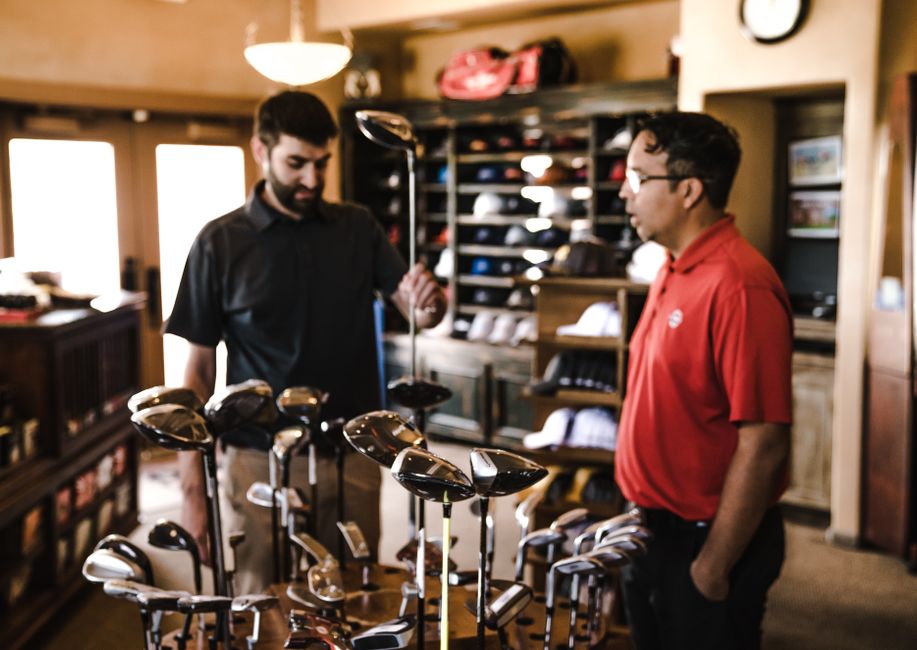
Buy used golf clubs by comparing local-shop and online options, then judge each club on fit and condition before price. Check the face, shaft, ferrule and grip; ask about trial swings, returns and trade-ins; and start with fewer clubs if that suits your needs. A shop can offer advice and a chance to compare clubs, while online listings offer another route to compare selection and prices.
Where can I find a golf shop that sells used clubs?
You can look at local golf retailers, driving ranges and golf organizations that sell equipment; call ahead to confirm what used clubs are available. A local shop is especially useful when you want to handle a club, ask about its history or see whether it can be tried before purchase.
Local options are not limited to commercial retailers. First Tee – Greater Seattle describes equipment sales that include new and used equipment, with clubs priced at $1 and up and fitting available for an additional $3. Its 2026 schedule lists events at Bill Wright Golf Complex and Crossroads Par-3. Those details are specific to that organization and location, but they show why local golf programs are worth checking alongside shops.
Online listings can broaden the selection and make price comparisons easier, but a listing cannot answer every hands-on question. The available sources do not establish typical current prices or compare online and shop prices for identical clubs. Treat the displayed price as one part of the decision: condition, fit and the seller’s policies matter too.
Before visiting, ask whether the shop has used clubs in your preferred category, whether trial swings are permitted, and what its return and trade-in terms are. The cited sources do not document universal shop policies, so get the answers for the specific seller and club.
What should I check before buying used golf clubs?
Before buying used golf clubs, check fit specifications and inspect the clubface, shaft, ferrule and grip; a low price does not compensate for a poor fit or visible damage.
GOLF.com recommends checking lie angle, club length, shaft flex, shaft material and shaft weight. These specifications affect whether the club is suitable for you, so compare the club with what you already use or ask a shop to help assess the fit. First Tee – Greater Seattle likewise emphasizes that clubs should feel comfortable and fit properly, noting that length and weight affect fit.
Inspect the shaft closely. GOLF.com warns that a bent steel shaft raises the likelihood of breakage. On a graphite shaft, look for excessive paint wear, cracks near the ferrule and stress marks below the grip. Mismatched ferrules—the small components where the shaft meets the clubhead—can indicate that a club has been repaired; ask the seller what work was done rather than treating the clue as proof of a defect.
Look over the clubface for wear and damage, and check the grip for condition, size and consistency with the other clubs you may buy. GOLF.com recommends regripping clubs more than five years old. That recommendation makes age a useful question to ask, but the source does not give a current regripping price; factor in the possible work without assuming a particular cost.
Build a practical checklist before comparing prices:
- Does the length, lie angle, shaft flex, material and weight suit you?
- Is the shaft straight, without the wear or damage described above?
- Are ferrules consistent, or can the seller explain a repair?
- Are the face and grip condition acceptable, and is the grip size comfortable?
- What are the seller’s trial, return and trade-in terms?
A beginner also does not need to buy a full set immediately. The USGA says players may carry up to 14 clubs but can carry fewer. Golf Digest’s beginner guidance describes a seven-club start: driver, putter, sand wedge, 6-iron, 8-iron, pitching wedge, and a fairway wood or hybrid. First Tee – Greater Seattle suggests 3–5 clubs for beginners in its junior program, including a putter and 2–4 irons, with a hybrid or wood added later. These are different starting points for different contexts, not a single required formula.
Can a golf shop let me try used clubs before I buy them?
A golf shop may let you try a used club, but you should ask the specific shop because the provided sources do not establish a universal trial policy.
Trying clubs can answer a question that inspection alone cannot: whether a club feels controllable in your hands. Golf Digest recommends comparing a 6-iron with regular- and stiff-flex shafts at a larger golf shop or driving range. Its advice is direct: “Don't guess -- try before you buy.” If a trial is available, compare like with like and pay attention to control and comfort rather than selecting by label or price alone.
Ask the shop whether trial swings are allowed indoors or at a range, whether the club can be taken to a practice area, and whether a return is possible if the fit proves wrong. Ask about trade-ins as well if you have clubs to exchange. These are sensible purchase questions, but the cited sources do not publish standard answers or terms; the shop must provide them.
For a beginner choosing a compact bag, the details matter more than filling every slot. Golf Digest suggests a driver with at least 10 degrees of loft and fairway woods starting at 17 degrees, and favors hybrids over 3-, 4- and 5-irons as easier shots. These are recommendations in its beginner guide, not guarantees of fit. Try the options where possible, and buy only the clubs that fill a useful role.
| Option | Who it suits | Cost | Key limitation |
|---|---|---|---|
| Local shop or driving range | Buyers who want to inspect clubs, ask fit questions and ask about trial swings | Current prices not published in the cited sources | Trial, return and trade-in policies vary; confirm with the seller |
| Online listing | Buyers comparing listings and selection remotely | Current comparable prices not published in the cited sources | Hands-on inspection and trial availability are not established by the listing |
| First Tee – Greater Seattle equipment sale | Beginners and junior-program participants near the listed events | New and used equipment at $1 and up; fitting for an additional $3 | Details apply to this organization and its published schedule, not every location |
The most reliable buying sequence is simple: decide which clubs fill a real gap, check condition, verify fit, and compare the seller’s price and terms. A smaller bag is permitted under the Rules of Golf, and beginner recommendations show that starting with fewer clubs is a reasonable option. The goal is a set you can use comfortably—not a maximum club count.
Frequently Asked Questions
Is it better to buy used clubs from a local shop or online?
A local shop may let you inspect and try clubs and ask for advice about fit, while online listings give you another way to compare selection and prices. The cited sources do not provide a current, like-for-like price comparison or establish return policies, so compare the specific club, condition and terms before deciding.
How much should a beginner spend on a used set of golf clubs?
The provided sources do not establish a current recommended budget for a used set. Golf Digest reported in 2018 that used or new titanium drivers could be found for as little as $75 at that time, but that is a historical figure, not a current quote. A beginner can limit the initial purchase to a smaller selection rather than buying 14 clubs.
Sources
Keep reading
How Do I Get From the Driving Range to My First Golf Course?
A low-cost, practical path from range practice to a beginner-friendly first round, with equipment, clothing, tee selection, safety, and pace guidance.
What Should First-Time Golfers Expect on the Course?
A practical first-round guide to checking in, golf etiquette, safety, pace of play, and what to do when you are new to the course.

How Do I Check Whether an E-Bike Is Road-Legal in the UK?
A practical UK guide to checking e-bike legality, including 250W, 15.5 mph, throttles, off-road modes and approval requirements.

Can I Trust a Factory-Direct Chinese E-Bike Brand?
A practical guide to checking certification, warranties, replacement parts, chargers, and repair support before buying a factory-direct e-bike.