
What Should First-Time Golfers Expect on the Course?
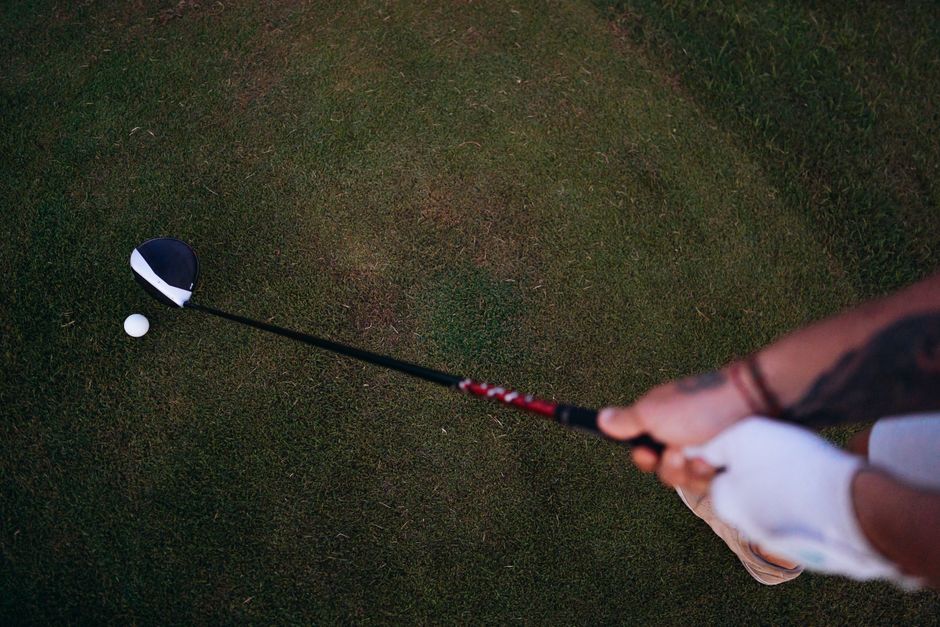
For your first round, check in at the Golf Shop or Pro Shop, ask staff about the first tee and course policies, and be ready at your scheduled starting time. You do not need to know every rule: focus on safety, keep up with the group ahead, repair course damage, and ask questions when unsure. Choose tees that fit your ability, and pick up when needed if you are not in a stroke-play competition.
What should I expect when I arrive for my first golf tee time?
Expect to check in at the Golf Shop or Pro Shop, get oriented, and make your way to the first tee with your equipment ready. The PGA recommends telling staff that it is your first visit and asking where to find the practice area, locker rooms, and first tee, as well as whether the facility has policies you should know.
That question is practical, not an admission of failure. Courses differ, and staff can explain the local routine before a small uncertainty becomes a delay. Some facilities also offer beginner programs covering orientation, basic rules, etiquette, and fundamentals, according to the PGA’s guide to what to expect upon arrival.
At the first tee, your group may include people you have not met. A brief introduction and a simple question—such as whether the group is playing ready golf—can establish how everyone will handle turns. You do not need to announce your score or apologize for being new. Pay attention to where others stand, wait until it is safe to play, and ask for clarification when a rule or local instruction is unclear.
As the round proceeds, the routine repeats: play a shot, move toward your ball without getting ahead of anyone who is hitting, prepare for the next shot, and leave the green promptly once the hole is finished. Repair divots and ball marks and rake bunkers when you have used them. At the end of the round, follow the course’s directions for returning a cart or equipment and clearing the finishing area.
How early should I get to the golf course before my tee time?
Arrive early enough to check in, find the first tee, and be ready at your scheduled time; the R&A treats the scheduled starting time as exact. The USGA’s pace guidance also advises confirming the tee time and arriving at the tee early with equipment prepared.
For a practical buffer, a USGA article reports teaching-professional advice to arrive at least 30 minutes before the tee time, especially at an unfamiliar course, and to be on the first tee 10 minutes early. Those are useful planning targets, not a substitute for a course’s own instructions. If you need to rent equipment or find your way around an unfamiliar facility, an early arrival gives you room to handle those tasks without rushing.
| When | What to do |
|---|---|
| Before leaving | Confirm the tee time and check what equipment you need. |
| At the course | Check in at the Golf Shop or Pro Shop; ask about directions and policies. |
| Before starting | Reach the first tee early, with essentials such as balls, tees, and gloves ready. |
Time spent preparing is not wasted time. The USGA explains that small delays compound across a busy course: with 50 groups, two extra minutes per group would add 100 minutes to total course time. The point is not to rush every movement; it is to avoid making the entire group wait while you search for a club or organize your next shot.
Do I need to know all the golf rules before playing?
No; you do not need to memorize every rule before your first round, but you do need to follow basic safety and etiquette. Start with three priorities: do not hit toward people, stay quiet and out of the way when another player swings, and leave the course in good condition.
The USGA’s Rules of Golf etiquette guidance says not to play until the group ahead is out of range. If a shot could endanger someone, shout “fore” immediately. The same guidance asks players to avoid standing close to or directly behind another player’s ball, and to avoid moving or making unnecessary noise during the shot.
Care for the course is part of the basic routine: repair divots and ball marks, rake bunkers after playing from them, and leave the putting green promptly when the hole is complete. These actions are simple, but they make the course more playable for the group behind you. Follow cart rules posted or explained by the facility; those directions can vary by course.
Rules about scoring and relief can be more detailed. If a situation comes up, ask a playing partner or course staff rather than guessing. The aim of a first round is to play safely and learn the flow, not to turn every unfamiliar moment into a rules exam.
How do I keep up with pace of play as a beginner?
Keep up by staying close behind the group ahead, preparing while others play, and choosing a manageable tee and pace. The USGA puts it plainly: your proper position is immediately behind the group in front, not immediately in front of the group behind. Watching the group ahead gives you a better signal than focusing only on whether someone is waiting behind you.
Before your turn, decide which club you will use and be ready to play when it is safe. The R&A recommends making a stroke within 40 seconds once you are able to play without interference or distraction, and usually more quickly. The PGA’s beginner guidance offers a practical target of about 30 to 45 seconds from selecting a club to hitting. These are prompts to prepare, not a reason to swing while someone is in danger.
Playing “ready golf” means that a player who is ready may play before the person who would traditionally go first, when it is safe and responsible to do so. The R&A encourages ready golf in stroke play. If you are not ready, let a ready playing partner go ahead; once you reach your ball, consider your shot while others take theirs, provided you are not distracting or endangering anyone.
Choose tees that fit your ability rather than treating the longest tees as the default. The USGA says players in the same group may use different tees. If a hole becomes difficult and repeated shots are slowing the group, ask your partners about picking up or moving forward. The USGA says picking up and moving on is generally acceptable outside individual stroke-play competition; the USGA’s beginner-focused advice also describes moving forward or dropping near the green as ways to keep play moving while still practicing.
If a gap opens and your group cannot catch the one ahead, invite the faster group behind to play through when appropriate. The useful measure of pace is not how quickly you hit each shot in isolation; it is whether your group continues to move with the course. A calm routine—prepared, safe, and considerate—does more for the round than trying to play in a hurry.
Frequently Asked Questions
When should I let a faster group play through?
If a gap opens between your group and the one ahead, and your group cannot keep pace, invite the group behind to play through. The USGA says your position is immediately behind the group in front, not just ahead of the group behind.
Where should I stand when someone else is hitting?
Stay clear of the player’s ball and do not stand close to or directly behind it. Avoid moving, talking, or making unnecessary noise while the player swings.
What should I do if I hit a golf ball toward another group?
Immediately shout “fore” if the ball could endanger someone. The warning gives people a chance to protect themselves; do not wait to see where the ball lands.
Sources
- USGA, Tips and Suggestions for Improving Pace of Play
- USGA, Rules of Golf: Etiquette
- The R&A, Rules of Golf: Rule 5 — Playing the Round
- PGA, What to Expect Upon Arrival at a Golf Course
- USGA, How to Be a Better Golfer (Without Lowering Your Handicap)
- PGA, Golf for Beginners: Golf Etiquette, Rules and Glossary
Keep reading
How Do I Get From the Driving Range to My First Golf Course?
A low-cost, practical path from range practice to a beginner-friendly first round, with equipment, clothing, tee selection, safety, and pace guidance.

Buy Used Golf Clubs: Check Fit, Condition and Value
Inspect fit and condition, ask about shop trials and policies, and compare used golf club options before buying.

How Do I Check Whether an E-Bike Is Road-Legal in the UK?
A practical UK guide to checking e-bike legality, including 250W, 15.5 mph, throttles, off-road modes and approval requirements.

Can I Trust a Factory-Direct Chinese E-Bike Brand?
A practical guide to checking certification, warranties, replacement parts, chargers, and repair support before buying a factory-direct e-bike.