
How Do I Get From the Driving Range to My First Golf Course?
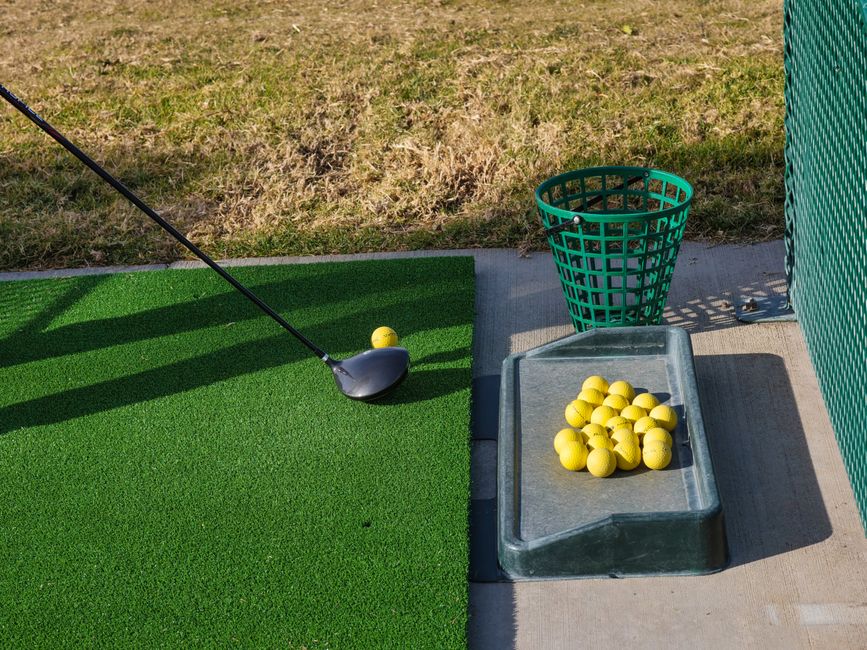
Start with a few range sessions using borrowed or rented clubs, then book a shorter outing on a par-3 or executive-length course. Before you play, check the course’s dress code, choose tees that suit your ability, and learn the basics of moving safely and promptly. You do not need a full set or a polished swing; you do need a simple plan for keeping pace.
What should I know before playing golf for the first time?
Before your first round, book a tee time, arrive with enough time to check in and warm up, and choose a course suited to a beginner. Cleveland Metroparks Golf recommends advance tee-time booking, a warm-up with range balls, and starting on an executive-length or par-3 course. These options reduce the scale of the first outing: you can learn how course play works without treating a long round as the entry fee.
A golf round can be nine or 18 holes, according to the CDC’s beginner guidance. If you are uncertain about your stamina, concentration, or schedule, ask whether the course offers a shorter option. Public course policies differ, so confirm available formats, rental arrangements, and any local rules when booking rather than assuming every facility handles beginners the same way.
At the course, start by asking staff where to check in, where the first tee is, and whether there are any local instructions for pace or play-throughs. Keep your clubs and other belongings together, and be ready to move when it is your turn. The goal is not to imitate an experienced golfer’s routine; it is to understand the next action and avoid unnecessary delays.
Safety comes before speed. The CDC advises staying at least four club lengths from someone who is swinging and waiting until the group ahead is out of the way before hitting. Keep clear of another player’s swing and do not hit toward people ahead, even if you feel pressure to catch up.
Do I need a full set of clubs for my first round?
No: a full set is unnecessary for a first round, and renting or borrowing clubs is the lower-cost way to find out what equipment you actually use. The CDC advises beginners not to buy an entire set immediately and lists a 5-, 6-, or 7-iron, a driver, and a putter as possible starter clubs. Cleveland Metroparks Golf says clubs can be rented for play or borrowed for use at its driving range or putting green.
Those recommendations point to a practical sequence: try golf first, buy later. If you have access to borrowed clubs, use them for a range session and ask the course about rentals before booking. A modest group of clubs can help you practice different kinds of shots without turning the first attempt into a shopping decision.
You also do not need to solve every equipment question before stepping onto the course. Ask the facility what is included with a rental and whether there are any requirements for bringing your own bag or equipment. Those details are local policies, not universal rules, so check directly with the course.
Use range time to learn how a few clubs feel and to rehearse a simple routine: choose a target, take a practice swing if useful, and make your shot when the area is clear. The range is preparation, not an exam. You can move on to a beginner-friendly course before you can reliably hit every club well.
What should I wear to a public golf course?
Wear comfortable clothing and check the course’s dress code before you go, because dress requirements vary by facility. The CDC says some courses have dress codes and recommends comfortable clothing. It also notes that sneakers are fine for beginners and suggests bringing a hat and sunscreen.
There is no need to purchase specialized golf clothing just to try the game. The useful distinction is between what the CDC identifies as beginner-friendly guidance and what a particular course requires. Check the course’s website or call ahead if the policy is unclear, especially before traveling to play.
Pack for a day outdoors rather than for a fashion test: comfortable clothes, sneakers if permitted, and sun protection. Keep the clothing practical enough that you can bend, walk, and swing without distraction. If the forecast or course conditions call for extra layers, plan accordingly, but do not assume a dress code is identical everywhere.
How can I choose beginner-friendly tees and a reasonable score target?
Choose tees that match your current ability rather than selecting the longest course by default. The USGA’s article on tee selection reports that its research found 57% of players choose tees that are too long, while 10% to 20% choose tees that are too short. The point is not to prove distance; it is to make the course playable enough that you can learn its decisions and maintain a steady pace.
The USGA offers a suggested course-length chart matched to 7-iron distance. For example, the chart associates a 7-iron distance of 80 yards or less with a course length of 3,500–3,700 yards. Treat that as a reference for selecting a suitable tee, not as a score promise. If you do not know your 7-iron distance, ask course staff which tees they recommend for a new player.
Set a first-round target around process rather than a particular score: finish the holes you play, stay safe, and keep moving. The provided sources do not establish a universal beginner score target, and inventing one would not make the round more useful. A shorter course and sensible tees give you a more meaningful baseline than comparing your score to someone else’s.
There is a practical reason to take tee choice seriously. The USGA reports that one Florida club’s tee-selection system based on 7-iron distance improved pace of play by 15 minutes. That is one club’s result, not a guaranteed outcome everywhere, but it reinforces the connection between a suitable course length and a smoother round.
How do I keep the round moving without rushing?
Keep pace by preparing in advance and playing when ready if doing so is safe and responsible. Under the general order of play, the player farthest from the hole plays first, but the USGA’s ready-golf guidance permits players to play out of turn to improve pace when it is safe and responsible. Agree with your group and follow the course’s directions.
The USGA’s pace guidance says a player should make a stroke within 40 seconds after being able to play without interference or distraction, and usually in less time. That is an outer recommendation, not a target to consume. While another player takes a turn, think about your next club and shot; between strokes, move promptly and keep your equipment organized.
For a beginner, the blunt diagnosis is that lost time often comes from uncertainty, not from an imperfect swing. Before you hit, make sure the group ahead is clear, identify a target, and avoid long searches or repeated preparation. If you are unsure what to do, ask a playing partner or course staff before the round begins.
Use the same principle throughout: be safe, be ready, and be considerate of the people sharing the course. Pace is a group responsibility, not a demand that a new golfer play beyond their ability. For more background, read the USGA guidance on order of play and ready golf.
Frequently Asked Questions
How do I keep up with pace of play as a beginner?
Prepare for your next shot while others play, move promptly between strokes, and play when ready if it is safe and responsible. The USGA says a player should make a stroke within 40 seconds after being able to play without interference or distraction, and usually in less time. If you cannot find a ball or the group is falling behind, follow the course’s guidance and let faster groups play through when appropriate.
Should I practice at a driving range before going on a course?
Yes. A range session gives you a chance to become familiar with borrowed or rented clubs and warm up before a round. Cleveland Metroparks Golf recommends hitting range balls and warming up before heading onto a course. You do not need to wait until your shots are consistent; a par-3 or executive-length course offers a shorter first step.
Sources
Keep reading
Buy Used Golf Clubs: Check Fit, Condition and Value
Inspect fit and condition, ask about shop trials and policies, and compare used golf club options before buying.
What Should First-Time Golfers Expect on the Course?
A practical first-round guide to checking in, golf etiquette, safety, pace of play, and what to do when you are new to the course.

How Do I Check Whether an E-Bike Is Road-Legal in the UK?
A practical UK guide to checking e-bike legality, including 250W, 15.5 mph, throttles, off-road modes and approval requirements.

Can I Trust a Factory-Direct Chinese E-Bike Brand?
A practical guide to checking certification, warranties, replacement parts, chargers, and repair support before buying a factory-direct e-bike.