
What Electrical Equipment Does a Home Kitchen Use, and Which Appliances Need Their Own Circuit?
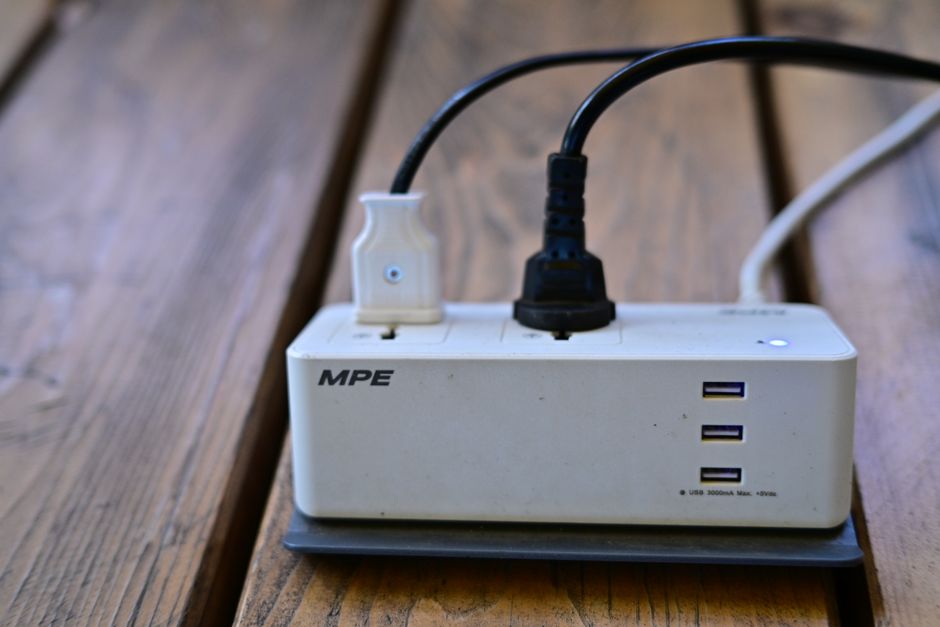
A typical kitchen’s electrical equipment includes built-in appliances such as a range and dishwasher, fixed appliances such as a refrigerator, and countertop appliances such as a microwave, toaster, or coffee maker. Whether an appliance needs its own circuit depends on its label and installation instructions, the circuit’s load, and the electrical code adopted locally; many kitchens also have at least two 20-amp small-appliance circuits for required receptacles.
What counts as electric equipment in a kitchen?
Electric kitchen equipment is any appliance or device that uses electricity, from a permanently installed range to a plug-in toaster. The practical distinction is how it connects: hardwired or built-in equipment has installation requirements tied closely to its model, while plug-in appliances draw power from receptacles served by branch circuits.
Common examples include ranges and dishwashers, refrigerators, over-the-range and countertop microwaves, and small countertop devices such as coffee makers and toasters. This distinction helps you inventory what is connected, but it does not by itself tell you which items may share a circuit. For that, read the appliance’s rating plate and manual, then identify which outlets and appliances are on each circuit.
Start with the rating plate, sometimes called the nameplate. Record the listed voltage and wattage or amperage, and look in the model’s owner’s manual or installation instructions for a stated circuit or breaker requirement. GE says its refrigerator rating plate contains electrical information and gives the relationship volts × amps = watts; it also notes that refrigerator startup demand is usually about three times the running amps or watts. That startup difference is one reason a simple count of appliances can be misleading.
For an initial load check, the U.S. Consumer Product Safety Commission (CPSC) advises reading appliance ratings and totaling the wattage running on a branch circuit. Its guide gives 1,500 watts on a 15-amp circuit and 2,000 watts on a 20-amp circuit as examples. Those figures are examples in the guide, not a substitute for checking the actual installation and applicable code. See the CPSC Guide to Home Wiring Hazards.
Which kitchen appliances need a dedicated circuit?
An appliance needs an individual or dedicated circuit when its installation instructions or applicable local code require one; the label and manual are the first places to check. A circuit is not dedicated just because one appliance happens to be plugged into it today. Other outlets or fixed loads may be connected to the same branch circuit, so confirm the actual wiring before relying on an assumption.
For example, GE says its over-the-range microwave models should always be on a dedicated circuit. Its guidance for countertop and over-the-range microwaves calls for a 120-volt, individually supplied, properly grounded branch circuit with a three-prong receptacle protected by a 15- or 20-amp breaker or time-delay fuse. GE also directs owners to follow the specific model’s owner’s manual or installation instructions. Treat that as GE’s guidance for its products, not a universal rule for every microwave.
GE recommends a dedicated circuit for its refrigerators to support performance and help prevent overloading house wiring. Its general refrigerator guidance describes an individual, properly grounded branch circuit with a three-prong receptacle and a 15- or 20-amp breaker or time-delay fuse. The model-specific instructions take precedence, so read those before making decisions about an existing outlet or planning a change.
Kitchen receptacles have their own code context. Mike Holt Enterprises’ explanation of NEC requirements says that kitchen, pantry, breakfast-room, and dining-area wall, floor, countertop, and refrigerator receptacles are generally supplied by at least two 20-amp, 120-volt small-appliance branch circuits. It describes an exception allowing an individual circuit of 15 amps or larger for a specific appliance, such as a refrigerator. The same resource says required small-appliance circuits cannot supply lighting outlets or receptacles outside the listed kitchen-related areas. The National Electrical Code is not identical to local law everywhere: NFPA notes that municipalities may adopt different editions, so the code enforced where you live matters.
| Equipment or circuit | What the source says | What to check |
|---|---|---|
| Required kitchen-area receptacles | Generally at least two 20-amp, 120-volt small-appliance circuits, according to Mike Holt Enterprises’ NEC explanation. | Confirm the locally adopted code and which outlets are on each circuit. |
| Over-the-range microwave | GE says its models should always use a dedicated circuit. | Follow the exact model’s manual and installation instructions. |
| Refrigerator | GE recommends a dedicated circuit for its refrigerators; its general guidance describes an individual 15- or 20-amp circuit. | Read the rating plate and model-specific instructions. |
| Countertop microwave | GE specifies an individually supplied, properly grounded 120-volt circuit for its countertop models. | Check the model’s instructions and circuit protection. |
Use the table as a starting point, not a wiring plan. Two appliances that fit a general category can have different requirements. Local code adoption and the actual circuit arrangement also matter; ask a licensed electrician to identify circuits or evaluate a proposed change.
Can a microwave, toaster, and coffee maker share one circuit?
A microwave, toaster, and coffee maker can share a circuit only if the appliance instructions and the circuit’s capacity allow it; there is no safe yes-or-no answer based only on the appliance names. The combined running wattage matters, and a microwave may have a specific individual-supply instruction. Add the listed loads as the CPSC advises, and do not assume that a countertop receptacle belongs to a lightly loaded circuit.
Make a simple circuit map before deciding. Plug a lamp into an outlet and switch off one breaker at a time to see which outlets lose power, or use the panel’s labels as a starting point and verify them. Do not open the panel or remove receptacle covers to trace wiring. If the circuit arrangement is unclear, have a qualified electrician identify it.
Then compare the appliances’ rating plates and manuals. If a microwave’s instructions call for an individually supplied branch circuit, that requirement settles the question for that model. For the other appliances, total the loads that could run at the same time. The CPSC guide’s example figures—1,500 watts for 15 amps and 2,000 watts for 20 amps—are useful context for its load guidance, but do not use them to override appliance instructions or local code.
When the circuit is overloaded, the CPSC advises moving an appliance to a less-loaded circuit; if that is not possible, get help from a qualified electrician. Stop using equipment connected to outlets that are hot, discolored, sparking, or buzzing. The CPSC warns that frequent breaker resets or blown fuses, flickering lights, and a burned-insulation odor can also signal electrical hazards. Its guidance is direct:
“Electrical system parts such as switch plates, receptacle outlet covers, cords and plugs may be warm but should never be hot—painful to touch—or discolored from heat.”
If you find a warning sign, stop using the affected outlet or appliance and call a qualified electrician. The CPSC says identifying and repairing electrical-system defects should be left to qualified electrical professionals. This is the point to get the circuit checked—not to keep resetting the breaker and hope the problem disappears.
Frequently Asked Questions
Does a refrigerator need its own circuit?
The requirements depend on the refrigerator’s model instructions and the electrical code adopted locally. GE recommends a dedicated circuit for its refrigerators to support performance and help prevent overloading, while its general guidance allows an individual 15- or 20-amp branch circuit; follow the rating plate and model-specific instructions.
How can I tell whether my kitchen circuit is overloaded?
Warning signs include frequently resetting breakers or blown fuses, dim or flickering lights, sparks, buzzing, hot or discolored outlets or plugs, and a burned-insulation odor. Check appliance rating labels and the total wattage on the branch circuit; if it is overloaded, move an appliance to a less-loaded circuit if possible and contact a qualified electrician if it is not.
Do kitchen outlets need GFCI protection?
The CPSC recommends GFCI protection in kitchens, especially for countertop appliances near sinks where water exposure is possible. Exact requirements depend on the locally adopted electrical code; check with your local building department or a licensed electrician, and test installed GFCIs monthly using their TEST and RESET buttons.
Sources
- U.S. Consumer Product Safety Commission — Guide to Home Wiring Hazards
- U.S. Consumer Product Safety Commission — Home Electrical Safety Checklist
- NFPA — Three Key Changes in the 2020 National Electrical Code That Help Make Kitchens Safer for Families
- Mike Holt Enterprises — Branch Circuits, Article 210: Dwelling Unit Receptacle Outlet Requirements
- GE Appliances — Microwave: Electrical Requirements and Breaker Size
- GE Appliances — Refrigerator: Electrical Requirements and Breaker Size
Keep reading

How Do I Size and Arrange an Ergonomic Desk-and-Chair Setup in a Small Home Office?
Measure, size, and arrange a small home-office desk and chair for supported posture, usable monitor distance, and less wasted space.

Can a Small Wind Turbine Produce Enough Electricity at My Home?
Estimate a small wind turbine’s output at your property, assess wind and obstacles, and compare installed costs with solar before you invest.

Can I Take an Everglades Airboat Tour If I Use a Wheelchair?
Choose an Everglades airboat tour with ramp boarding, wheelchair securement, accessible facilities, and a verified door-to-dock travel plan.

How Do You Store Towels in a Small Bathroom?
Choose compact towel storage for your bathroom's wall, door, and floor space while keeping used towels dry and humidity controlled.